ENG
ENG FRA
FRA

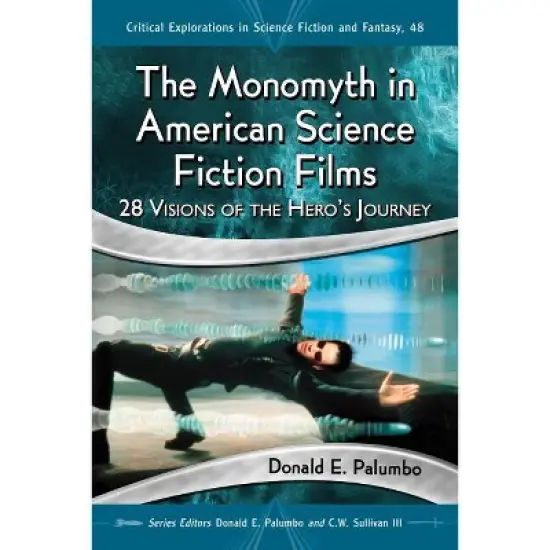
The Monomyth in American Science Fiction Films - (Critical Explorations in Science Fiction and Fantasy) by Donald E Palumbo (Paperback)
Disponibilité:
En stock-
Livraison estimée:Jan 18 - Jan 25
-
Expédition et retours gratuits: On all orders

Paiement sécurisé garanti
- Free Shipping & Returns or all orders over
- Secure Payment We ensure secure payment
- Money Back Guarantee Any back within 30 days
Product Description
About the Book
One of the great intellectual achievements of the 20th century, Joseph Campbell's The Hero with a Thousand Faces is an elaborate articulation of the monomyth: the narrative pattern underlying countless stories from the most ancient myths and legends to the films and television series of today. The monomyth's fundamental storyline, in Campbell's words, sees "the hero venture forth from the world of the common day into a region of supernatural wonder: fabulous forces are there encountered and a decisive victory is won: the hero comes back from this mysterious adventure with the power to bestow boons to his fellow man." Campbell asserted that the hero is each of us--thus the monomyth's endurance as a compelling plot structure.This study examines the monomyth in the context of Campbell's The Hero and discusses the use of this versatile narrative in 26 films and two television shows produced between 1960 and 2009, including the initial Star Wars trilogy (1977-1983), The Time Machine (1960), Logan's Run (1976), Escape from New York (1981), Tron (1982), The Terminator (1984), The Matrix (1999), the first 11 Star Trek films (1979-2009), and the Sci Fi Channel's miniseries Frank Herbert's Dune (2000) and Frank Herbert's Children of Dune (2003).
Book Synopsis
One of the great intellectual achievements of the 20th century, Joseph Campbell's The Hero with a Thousand Faces is an elaborate articulation of the monomyth: the narrative pattern underlying countless stories from the most ancient myths and legends to the films and television series of today. The monomyth's fundamental storyline, in Campbell's words, sees "the hero venture forth from the world of the common day into a region of supernatural wonder: fabulous forces are there encountered and a decisive victory is won: the hero comes back from this mysterious adventure with the power to bestow boons to his fellow man." Campbell asserted that the hero is each of us--thus the monomyth's endurance as a compelling plot structure.
This study examines the monomyth in the context of Campbell's The Hero and discusses the use of this versatile narrative in 26 films and two television shows produced between 1960 and 2009, including the initial Star Wars trilogy (1977-1983), The Time Machine (1960), Logan's Run (1976), Escape from New York (1981), Tron (1982), The Terminator (1984), The Matrix (1999), the first 11 Star Trek films (1979-2009), and the Sci Fi Channel's miniseries Frank Herbert's Dune (2000) and Frank Herbert's Children of Dune (2003).
Review Quotes
"thoughtfully argued, thoroughly researched"-SFRA Review; "Palumbo combines his enthusiasm for science fiction movies with his deep involvement with Joseph Campbell's Monomyth plot structure in this detailed and insightful analysis of sf quest movies from 1960 to 2009...compelling...recommended"-Journal of the Fantastic in the Arts.
About the Author
Donald E. Palumbo is a professor of English at East Carolina University. He lives in Greenville, North Carolina.Product Highlights
- One of the great intellectual achievements of the 20th century, Joseph Campbell's The Hero with a Thousand Faces is an elaborate articulation of the monomyth: the narrative pattern underlying countless stories from the most ancient myths and legends to the films and television series of today.
- About the Author: Donald E. Palumbo is a professor of English at East Carolina University.
- 204 Pages
- Performing Arts, Film
- Series Name: Critical Explorations in Science Fiction and Fantasy
- Dimensions (Overall): 8.9 Inches (H) x 5.9 Inches (W) x .6 Inches (D)
- Weight: .45 Pounds
- Suggested Age: 22 Years and Up
- Number of Pages: 204
- Genre: Performing Arts
- Sub-Genre: Film
- Series Title: Critical Explorations in Science Fiction and Fantasy
- Publisher: McFarland & Company
- Theme: History & Criticism
- Format: Paperback
- Author: Donald E Palumbo
- Language: English
Soumettez vos commentaires
Your email address will not be published. Required fields are marked *
Vous aimerez aussi
Plus de produits